Baton Rouge, Louisiana · Make heat actionable
Infrared Thermography in Baton Rouge, Louisiana
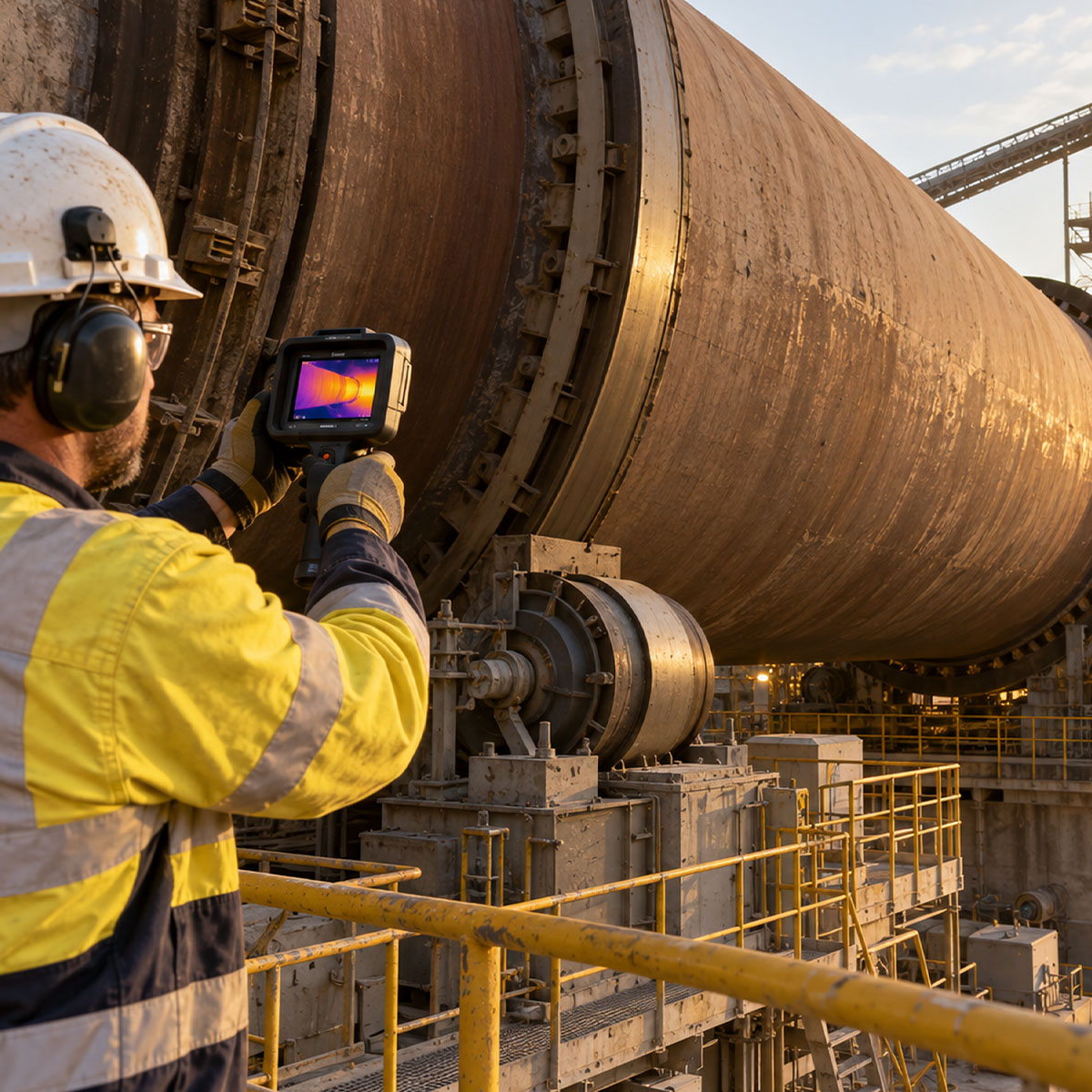
Infrared thermography is a non-contact inspection method that detects the infrared radiation a surface emits and converts it into a thermal image a trained thermographer can interpret. Thermography in Baton Rouge finds hot electrical connections, stressed mechanical components and process temperature problems while the equipment stays in service.
The maintenance question
Heat Is Data. Context Makes It a Decision.
Baton Rouge industrial and commercial facilities use infrared thermography to rank electrical, mechanical and process findings before an outage becomes unplanned. The value is not the colorful image; it is knowing which of forty warm connections is the one to torque during the next window.
That judgment needs context. FPA records the electrical current alongside the thermal pattern, compares like components against each other, and reports findings with a severity ranking rather than a gallery of thermograms.
Technical Perspective
Temperature alone does not establish a defect. Load, emissivity, reflected energy, ambient conditions and the comparison points chosen all affect interpretation, which is why current and operating context are recorded with the image.
Where to apply it
4 Infrared Inspection Types
The same camera answers different questions depending on the asset and the operating state. FPA scopes infrared thermography in Baton Rouge around the asset and the decision you need to make, not a package.

Field process
Evidence In, Clear Next Steps Out
Infrared thermography in Baton Rouge follows the same four steps every time, so the result is repeatable and the record still means something on the next visit.
Step 01
Define assets and operating load
Agree which assets matter, what load they will be carrying, and what question the inspection has to answer.
Step 02
Capture visible and thermal images
Record paired images from repeatable positions, following safe work practice for energized equipment.
Step 03
Compare like components and current
Evaluate identical components against each other with phase currents recorded, so load effects are not mistaken for defects.
Step 04
Rank findings with recommended action
Report severity and the verification or repair step that follows, in an order the maintenance team can plan against.
Local context
How the Climate Shapes Thermography in Baton Rouge
Louisiana heat and humidity change infrared work in ways that matter. High ambient temperatures compress the difference between a normal component and a warm one, solar loading on outdoor equipment and roofs can mask or mimic a finding, and afternoon surveys on an exterior asset often need to be rescheduled to a window with stable conditions.
For building and roof surveys the same climate is a constraint: a meaningful moisture survey needs a thermal differential that a humid Baton Rouge evening does not always provide. Agreeing the conditions in advance is part of scoping the work, not an excuse offered afterwards.
Common questions
Infrared Thermography FAQ for Baton Rouge
The questions that come up before infrared thermography in Baton Rouge is scheduled. Anything specific to your equipment, send the details and FPA will scope it.
Talk to a specialist
Turn Heat Into a Ranked Repair List
Tell FPA what the equipment is doing, where the site is and when support is needed. FPA schedules infrared thermography in Baton Rouge around your production window, and a specialist will scope what the visit involves.