
Lubbock, Amarillo & the Panhandle
Vibration Analysis Training in Lubbock & the Panhandle
Vibration analysis training in Lubbock can be timed around the ginning and harvest calendar that drives South Plains maintenance. South Plains and Panhandle maintenance teams can certify analysts at our Houston-area public classes, a short flight from Lubbock or Amarillo, or have us deliver a private Category I or II class at a gin, mill, plant or wind site in the region.
Where training happens
Where Vibration Analysis Training in Lubbock Takes Place
FPA does not have a classroom in Lubbock or Amarillo. Public classes meet in Pearland, south of Houston, near our mill test lab. We travel to the South Plains and Panhandle for on-site team training.
- Public classes: Pearland, TX (Houston area)
- On-site classes: at your plant in the South Plains & Panhandle
- Training enquiries: (832) 930-0756
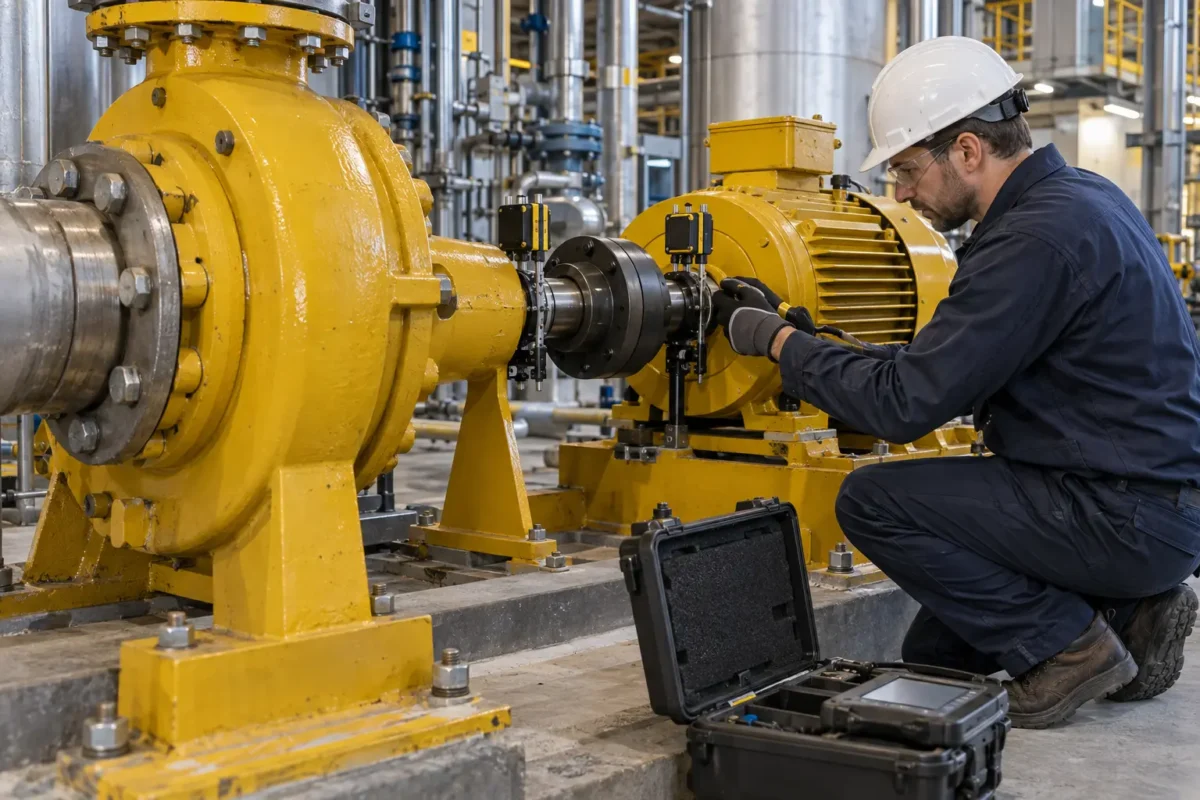
On-site vibration analysis training in Lubbock uses your own running equipment for the practicals.
Two Ways to Get Vibration Analysis Training in Lubbock
Path 1
On-Site Vibration Analysis Training in Lubbock
Seasonal operations such as cotton gins and grain handling have a narrow off-season window for training and repair. On-site classes can be scheduled for that window, so crews learn on their own equipment before it starts running again.
What we bring:
Step by step
How Vibration Analysis Training in Lubbock Works
- Tell us about your team. Send the number of analysts, their experience and the equipment they look after, for example gin stand drives, fans and conveyors.
- Pick the format. Choose a private class at your plant in the South Plains & Panhandle, or book seats at a public class in Pearland, about 520 miles from Lubbock.
- Train for four days. Classroom sessions plus hands-on practicals on running machinery. Hammer mills, pellet mills and grain-handling conveyors and similar assets make good practical subjects for Lubbock teams.
- Sit the exam. The certification exam is taken on day four. Analysts who pass and meet the experience requirement earn their ISO 18436-2 credential.
That is the whole process for vibration analysis training in Lubbock, whether you are training one new analyst or certifying a full crew.

The same curriculum applies to every vibration analysis training in Lubbock class, on-site or public.
the South Plains & Panhandle
Vibration Training for Agricultural Processing, Refining and Wind
The South Plains is one of the largest cotton-producing regions in the world. Its gins, cottonseed oil mills, grain elevators and feed mills run hard during harvest and sit idle for months afterward. Farther north, the Panhandle adds large beef processing plants, a refining and petrochemical complex near Borger, natural gas production, and one of the country’s largest concentrations of wind turbines.
Seasonal equipment fails in its own way: bearings can be damaged while sitting idle, belts and sheaves wear in dusty conditions, and big fans and conveyors must restart reliably on the first day of the season. The course shows analysts how to baseline equipment before startup and catch problems in the first weeks of operation.
Equipment Lubbock Analysts Train On
What South Plains Teams Can Ask Us to Emphasize
Seasonal sites want to know what to check before startup and what to watch during the first weeks of a run. An on-site class can focus on pre-season baselines, recognizing bearing damage caused while equipment sat idle, belt and sheave problems on dusty fans, and how to keep a small route going during harvest when every technician is busy.
Course levels & dates
Category I & II at a Glance
Both levels are four-day classes aligned with ISO 18436-2, the international standard for vibration analyst certification. Lead instructor Dr. Karl Hoffower holds an ASNT PdM Level III credential. Full curriculum and prerequisites are on our main vibration analysis training page.
Category I covers:
- Vibration fundamentals and terminology
- Repeatable data collection and route practice
- FFT spectrum and time waveform basics
- Common faults: unbalance, misalignment, looseness and bearing wear
Category II adds:
- Advanced spectrum analysis
- Phase analysis and resonance testing
- Field balancing concepts
- Diagnostic decision-making and reporting
| Level | Prerequisite | Public class price |
|---|---|---|
| Category I | No previous vibration experience required | $1,900 (exam + $330) |
| Category II | 6 months’ experience + passed Category I exam | $2,200 (exam + $360) |
Dates and prices as published on the main training page and open to students traveling from Lubbock. On-site classes are quoted separately.
Questions
Vibration Analysis Training in Lubbock: FAQs
Book Vibration Analysis Training in Lubbock
Call (832) 930-0756 or send a training request to book vibration analysis training in Lubbock. Tell us how many analysts you have and which level they need.