
From question to evidence
Vibration checks that turn measurements into maintenance decisions
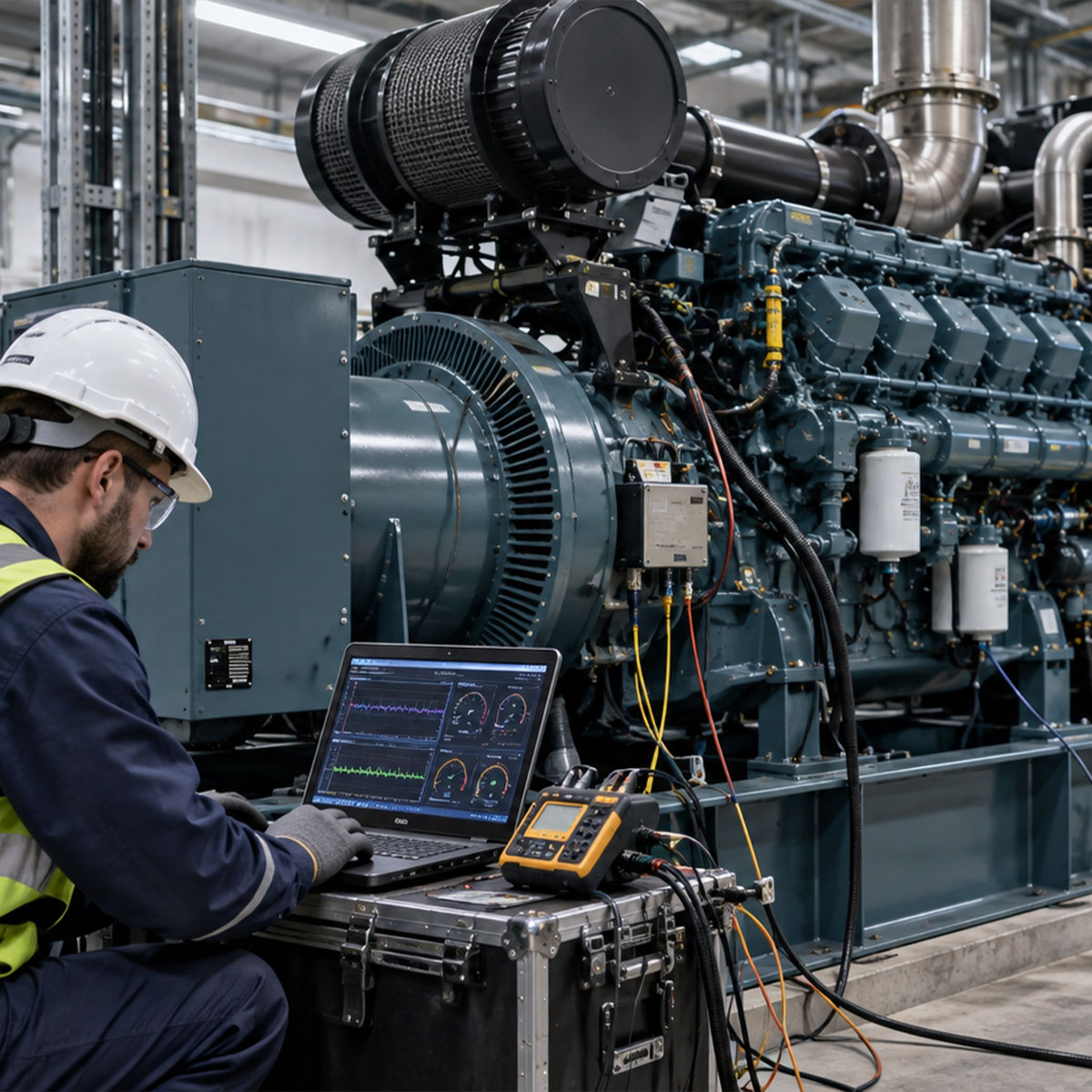
Vibration checks are repeatable measurements used to assess rotating equipment and track changes over time. A useful check records where and how the reading was taken, the machine’s operating state and the result, then compares that evidence with a suitable baseline or evaluation criteria.
Failure Prevention Associates provides monthly vibration-route contracts, weekly critical routes, troubleshooting and new-equipment commissioning support. Build a monitoring scope around asset criticality, operating patterns and the decisions your maintenance team needs to make.
Where it fits
Built around your equipment. And your decision.
Match the inspection to the question, the machine and the conditions under which it operates.
Recurring vibration routes
Maintain a defined set of assets, points and collection methods so comparisons remain useful across visits.
Critical-equipment checks
Focus monitoring effort on assets whose loss would affect production, safety or continuity. Agree the frequency around the asset’s risk.
Commissioning and post-repair checks
Capture initial operating data or compare equipment condition after maintenance under documented, representative conditions.
Typical equipment
Motor-pump sets, fans, blowers, cooling-tower equipment, gearboxes, compressors and other accessible rotating assets. Include standby or intermittent equipment when representative operation can be arranged.
Technical perspective
A consistent route makes the change visible.
Same asset and point
Identify each machine and repeatable measurement location. A reading from another surface may reflect a different response.
Same direction and setup
Record sensor orientation and attachment. Consistent placement helps separate real change from collection variation.
Operating context
Document speed, load and process state. A variable-speed asset needs comparisons that account for how it was operating.
Overall level plus detail
Overall vibration can screen a change. Spectra, time signals or other methods may be needed to investigate its cause.
Baseline and trend
Compare with prior comparable readings and agreed evaluation criteria. One value is a snapshot, not a full history.
Action and follow-up
Assign the finding a next step. Track recommended work and verify the condition after the repair where that is included.
A normal overall reading does not prove that every component is fault-free. Measurement coverage, frequency range and operating condition determine what a check can reveal. Escalate relevant changes and combine technologies when a different failure mode requires them.
A disciplined workflow
Collect the evidence. Connect the next step.
01
Build the route
Identify assets, criticality, safe access, measurement points and operating states available for collection.
02
Capture a baseline
Collect initial readings and document the setup, speed and load so future checks have a reference.
03
Compare and prioritize
Review changes and relevant patterns. Escalate findings that need diagnostic work or a maintenance decision.
04
Close the loop
Use the report in planning. Compare follow-up readings after work and revise coverage when conditions change.

The result
A finding should lead somewhere.
A useful route report connects each finding to the asset and the next task. Agree the reporting, escalation and follow-up requirements so results fit your maintenance workflow.
FPA also provides field balancing, laser alignment, visual vibration, thermography and motor evaluation. When the symptom crosses technologies, discuss which additional method can answer the remaining question.
A finding should lead somewhere.
- Asset list and repeatable measurement points
- Collection dates, setup and operating conditions
- Baseline and trend comparisons where available
- Noted changes and items needing deeper investigation
- Prioritized recommendations for maintenance planning
- Follow-up status and post-repair checks when scoped
Industrial service support
Repeatable condition checks for industrial facilities.
FPA supports rotating-equipment monitoring for industrial plants, utilities, manufacturing, energy operations and commercial facilities. A useful route starts with an asset list, safe access, repeatable measurement points and operating conditions that allow meaningful comparison.
Discuss regional or national route support with FPA. Travel, recurring schedules and technician availability are confirmed during planning. Agree how changes will be escalated and how post-repair measurements will be included.
Bring the operating team into the scope: machine history, current symptoms and recent process changes often make the measurements more useful.
Service areas
Explore vibration checks by location.
Louisiana
Nebraska
New Mexico
Oklahoma
Texas
Connected reliability services
Condition monitoring experience connected to the corrective action.
Cross-technology perspective
Vibration, visual vibration, thermography, ultrasound and motor testing can answer different parts of a machine-health question. Select the method to match the suspected failure mode.
Practical field execution
FPA also provides field balancing and laser shaft alignment. Diagnostic evidence helps determine whether those corrections address the condition observed.
Clear next steps
Agree what the report must answer: what changed, why it matters, what needs verification and how corrective work will be checked.
Frequently asked questions
Vibration Checks FAQ
Get in touch
Build a route your team can use.
Tell FPA what you need to know about the asset and when the work needs to happen.
Main: (832) 930-0756